Recital Decorum: How to Bow, What to Wear, and How to Be a Great Audience
Most families think of a recital as the two minutes…
Most families think of a recital as the two minutes…
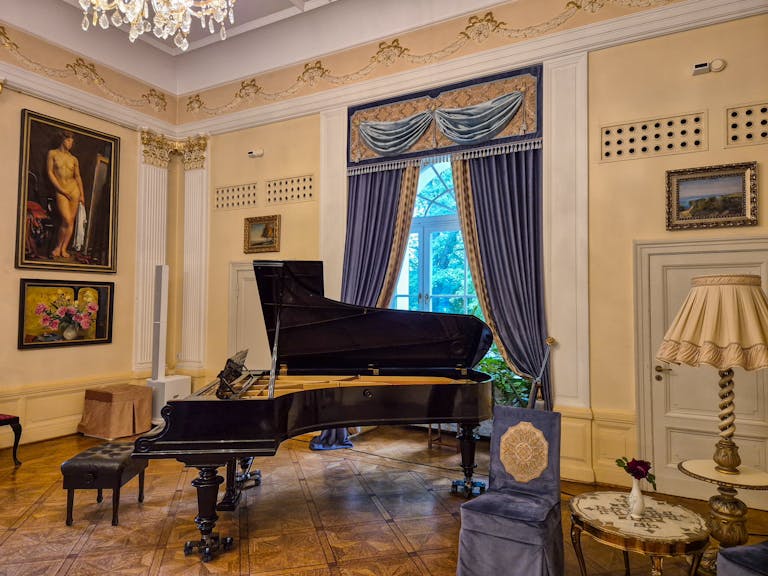
For years the piano playing I did outside the studio…
Every August, my inbox fills with a version of the…
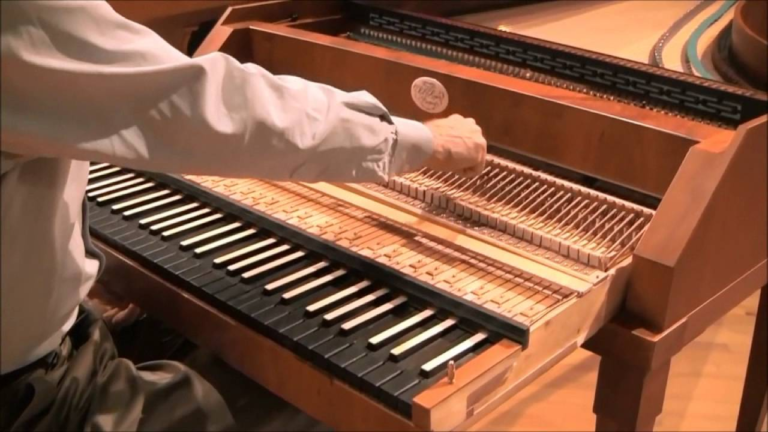
Most of us learn on one instrument. You sit down…
This fall I am starting a Master of Music in…
Every August, the family calendar gets rewritten. School starts, activities…
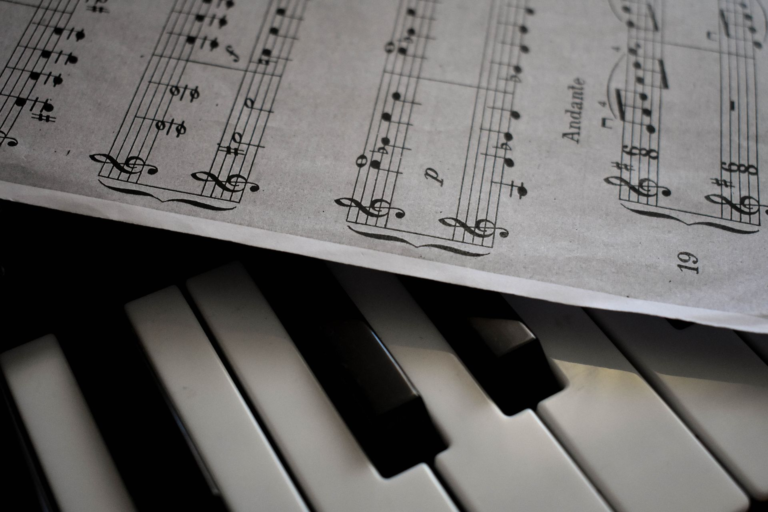
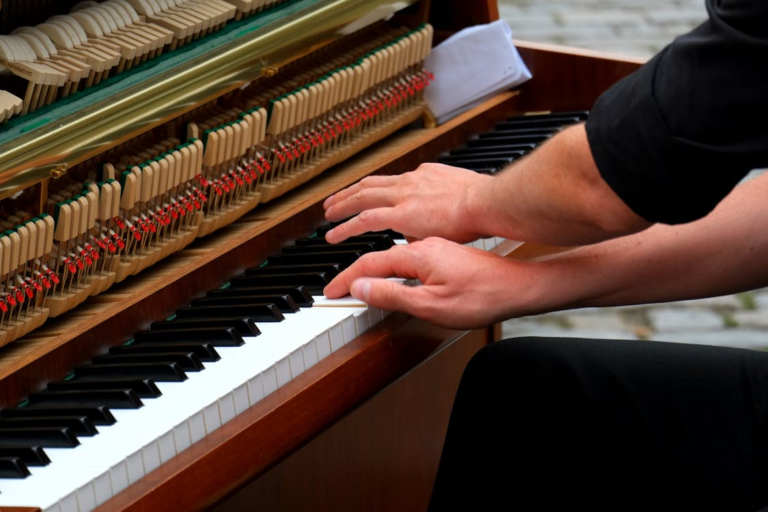
You do not need to spend a fortune to start piano lessons, but the instrument you practice on shapes everything about how you learn. Here is what actually matters: 88 keys, weighted hammer action, and touch sensitivity.
The decision is made, the first lesson is on the…

One of my students came to me this week with…
Learning to play an instrument changes the brain in measurable…