Practice, teaching, and the music itself. Research-informed, written for parents and adult students.
-
Recital Decorum: How to Bow, What to Wear, and How to Be a Great Audience
Most families think of a recital as the two minutes their child spends playing. I think of it as everything from the moment they stand up from their seat until…
-
Now Booking: Live Piano for Your Party in Tampa Bay
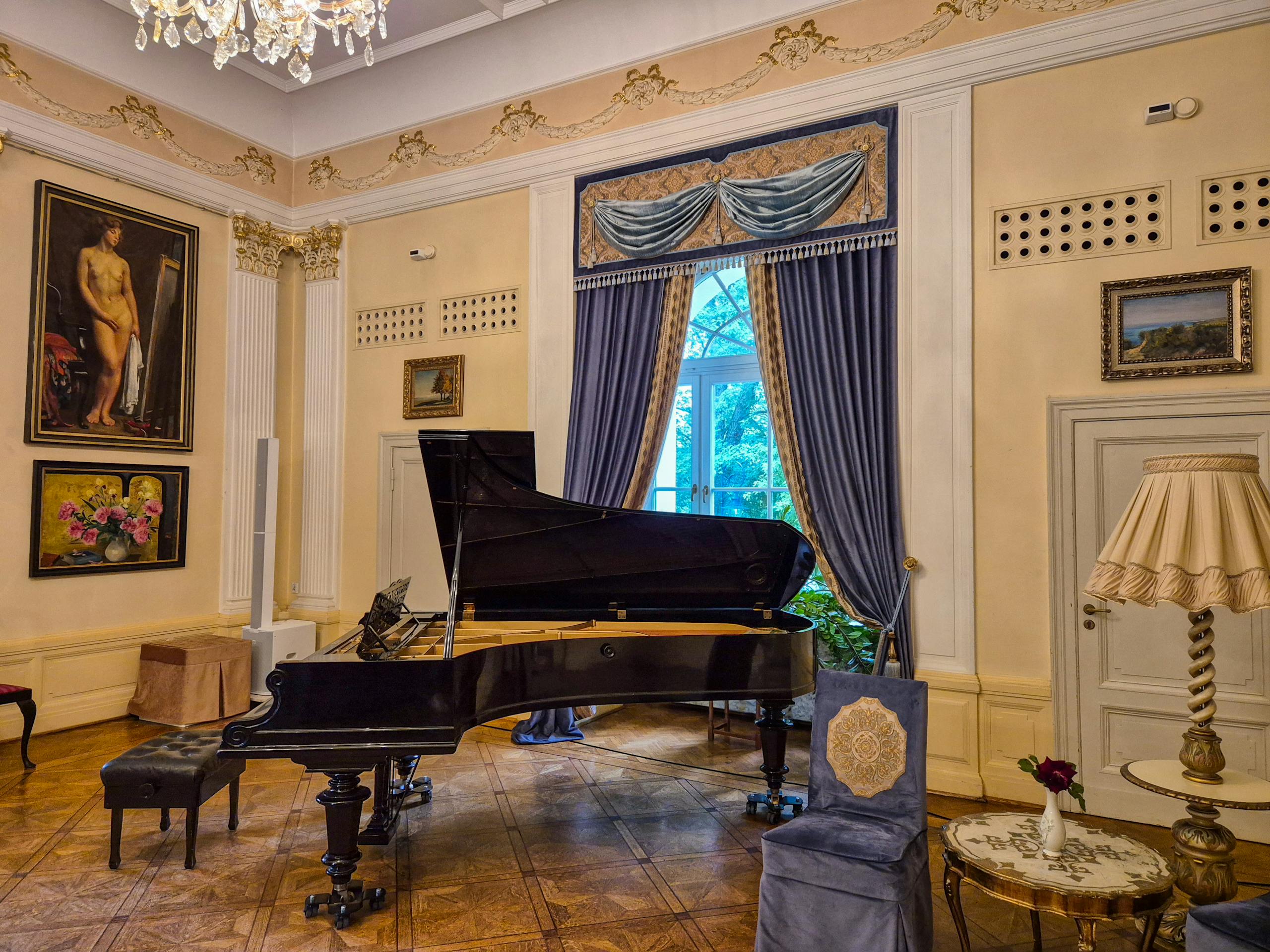
For years the piano playing I did outside the studio stayed inside two rooms: the recital hall at Piano Distributors and the practice rooms at USF. Both are places where…
-
When Is the Best Time of Year to Start Piano Lessons?
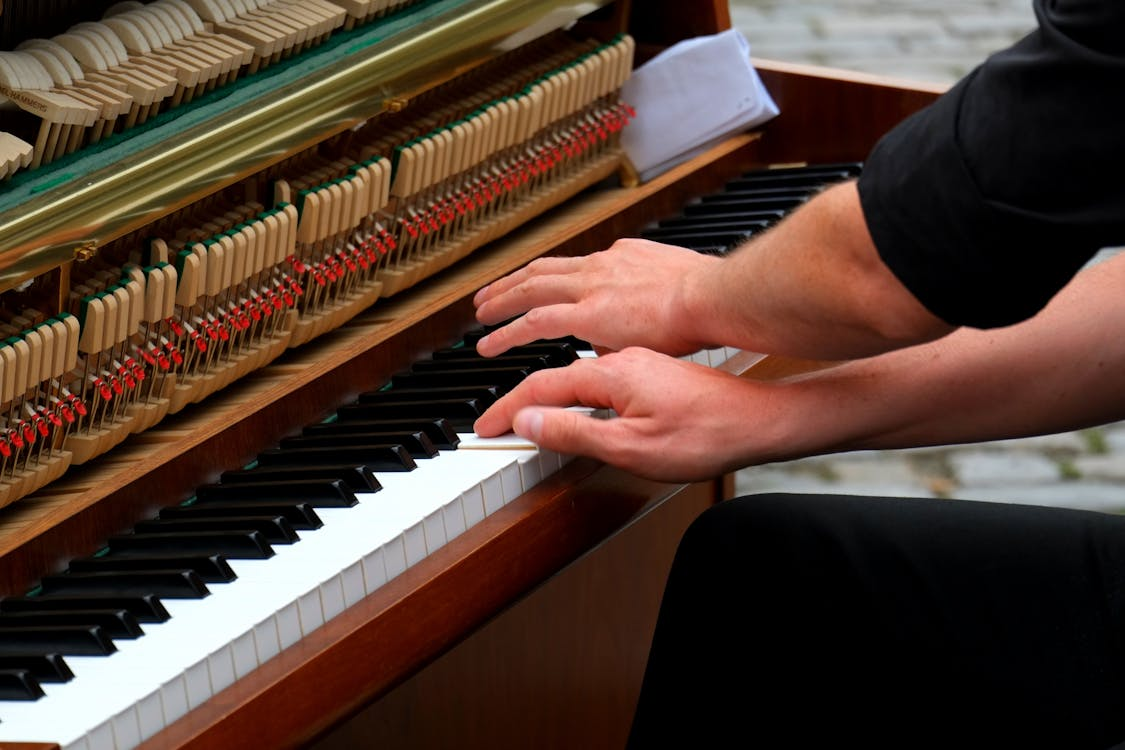
Every August, my inbox fills with a version of the same question: is fall the right time to start piano lessons? Families are signing up for soccer and scouts, the…
-
Why Old Keyboard Instruments Still Matter to How You Play
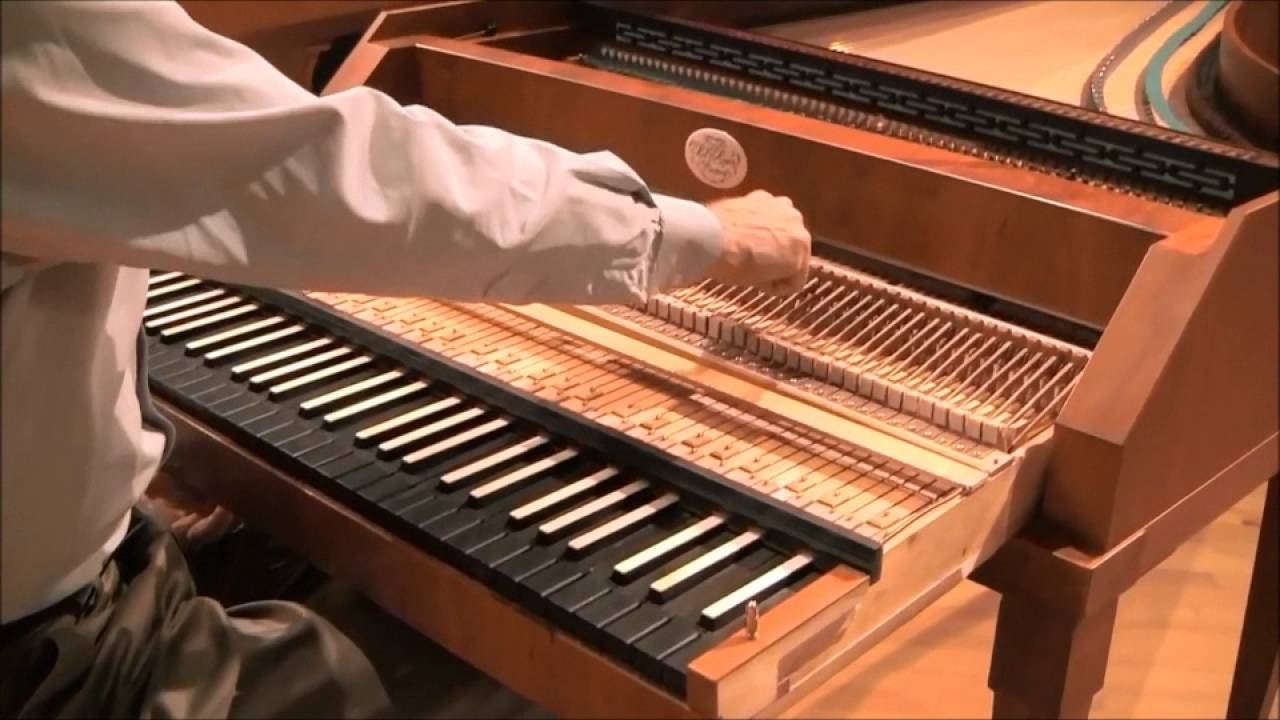
Most of us learn on one instrument. You sit down at a modern piano, you press a key, and a felt-covered hammer throws itself at three steel strings stretched across…
-
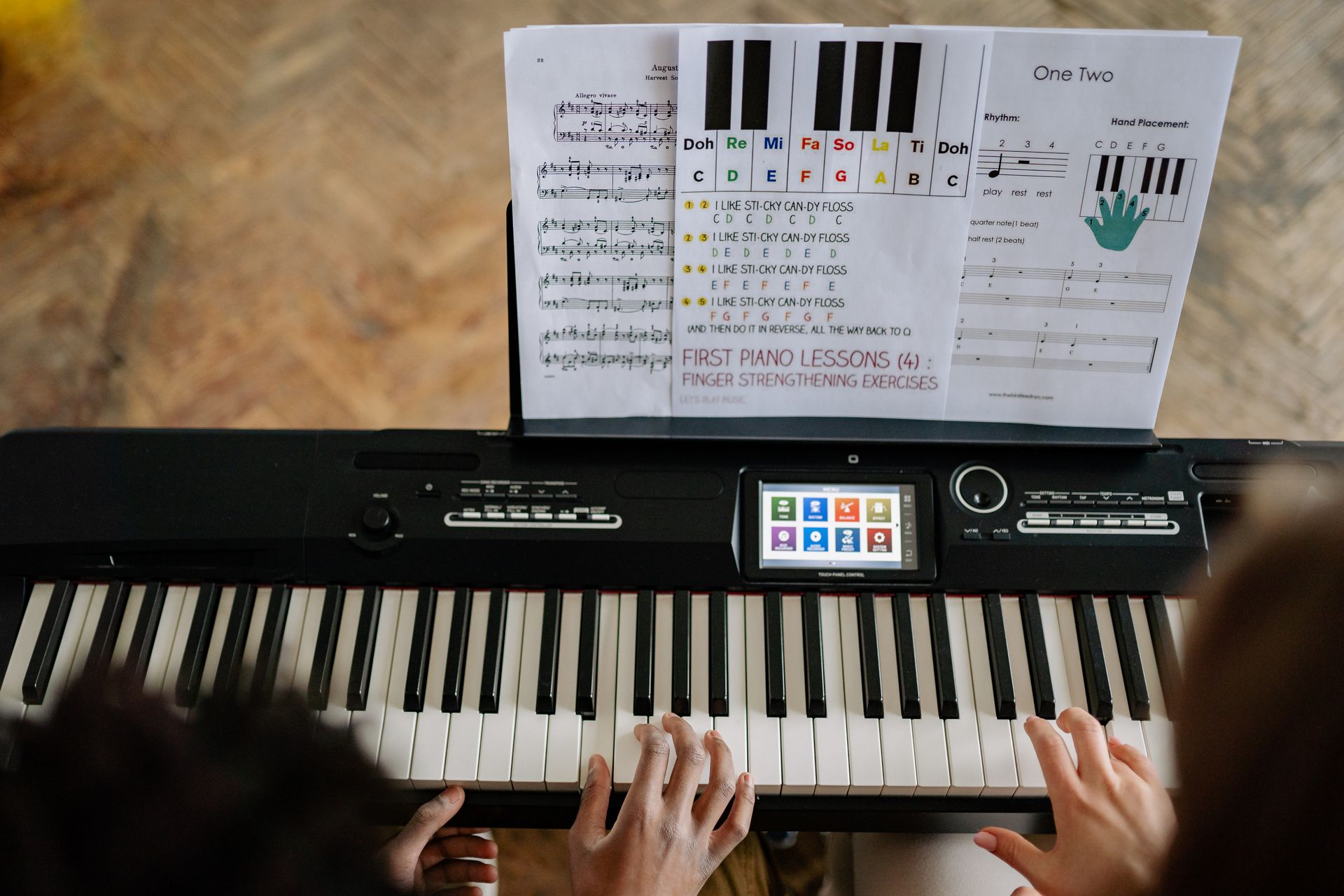
Your Teacher Has Homework Now: I’m Starting a Master of Music at USF
This fall I am starting a Master of Music in piano performance at the University of South Florida. I was accepted this spring with a scholarship and a graduate assistantship…
-
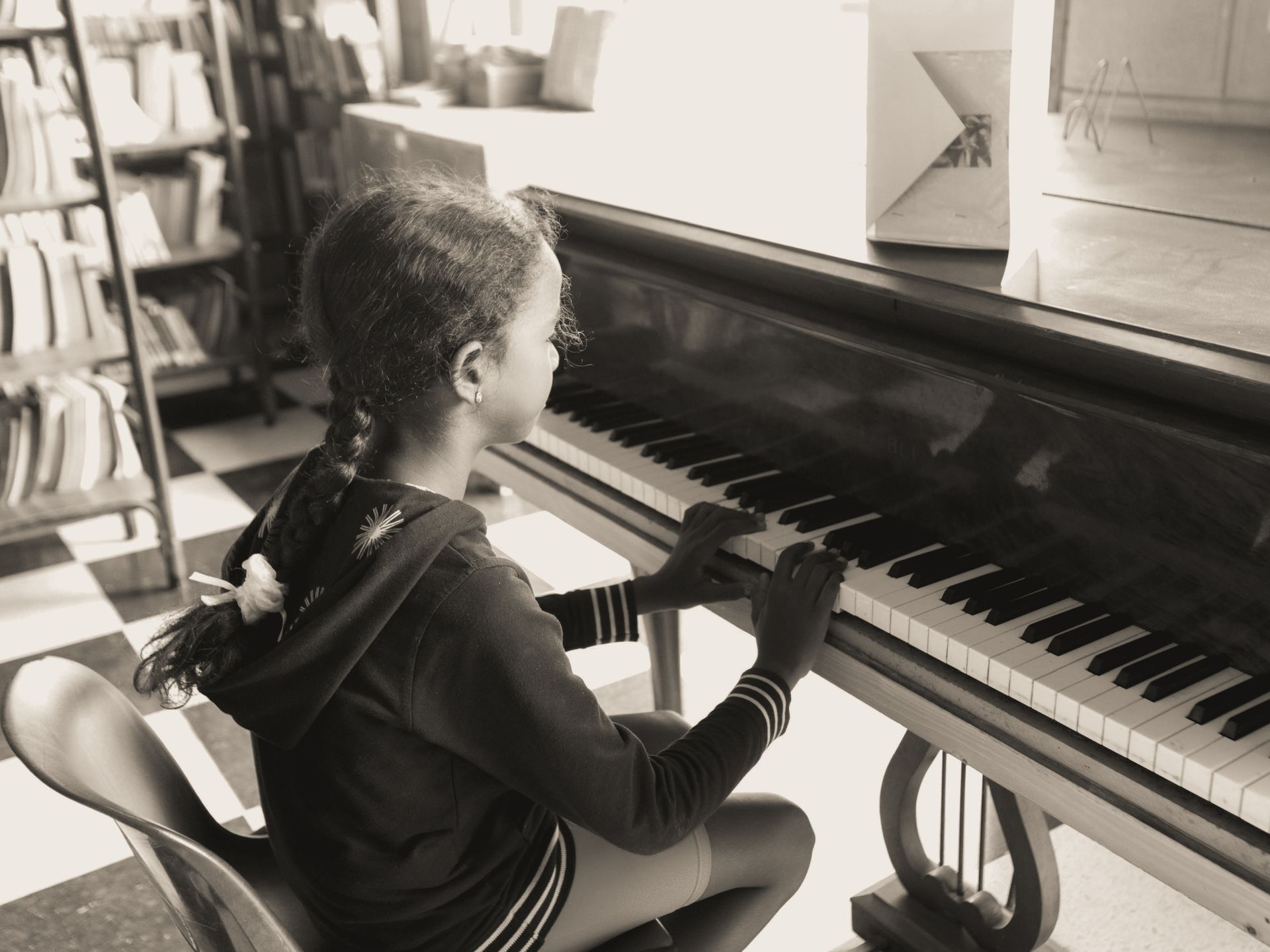
Piano Is a Year-Round Sport: Making Practice Work When School Starts
Every August, the family calendar gets rewritten. School starts, activities resume, homework returns, and the loose rhythm of summer disappears overnight. In my studio, students play year round, so nobody…
-
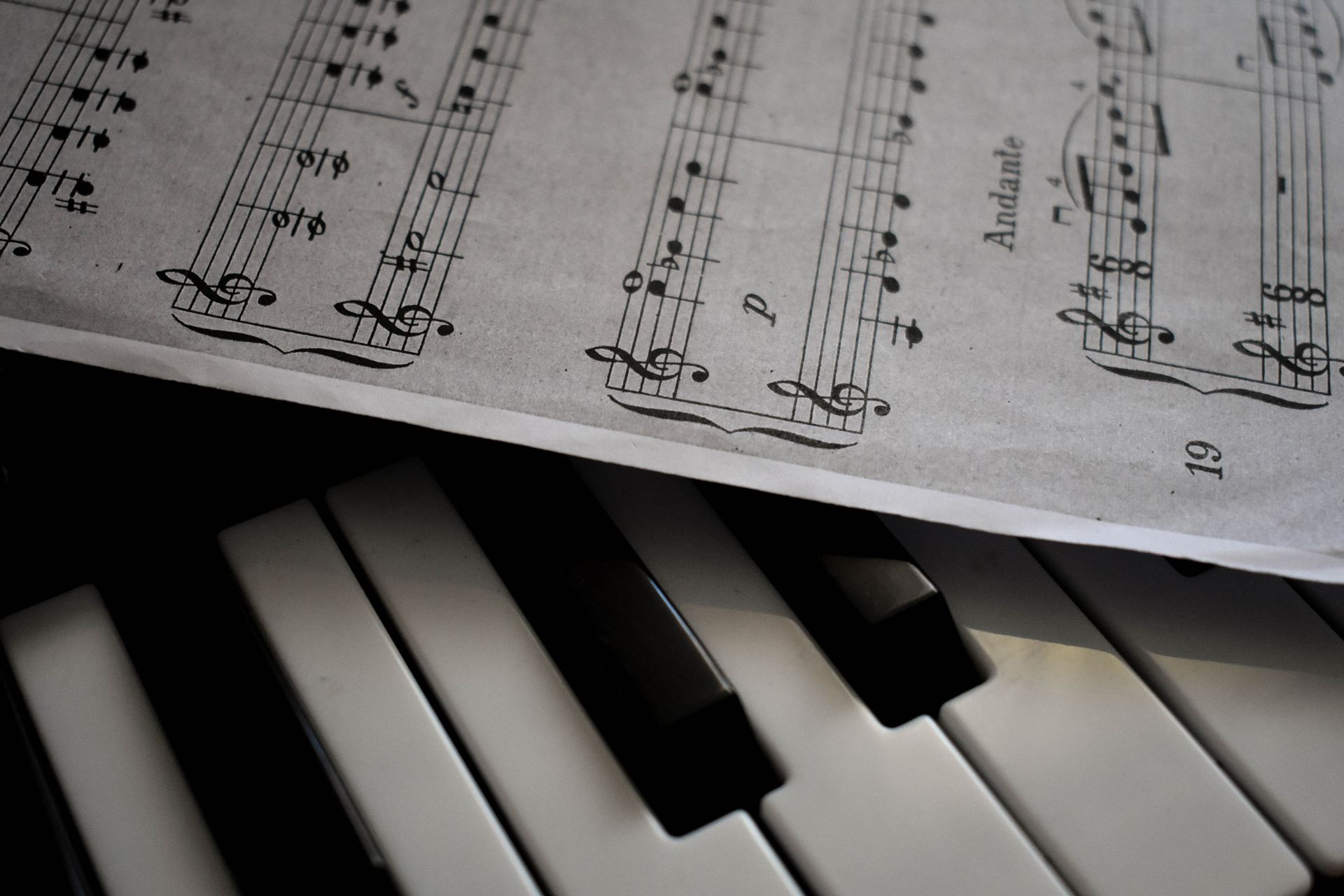
What Kind of Piano or Keyboard Do You Need to Start Lessons?
You do not need to spend a fortune to start piano lessons, but the instrument you practice on shapes everything about how you learn. Here is what actually matters: 88…
-
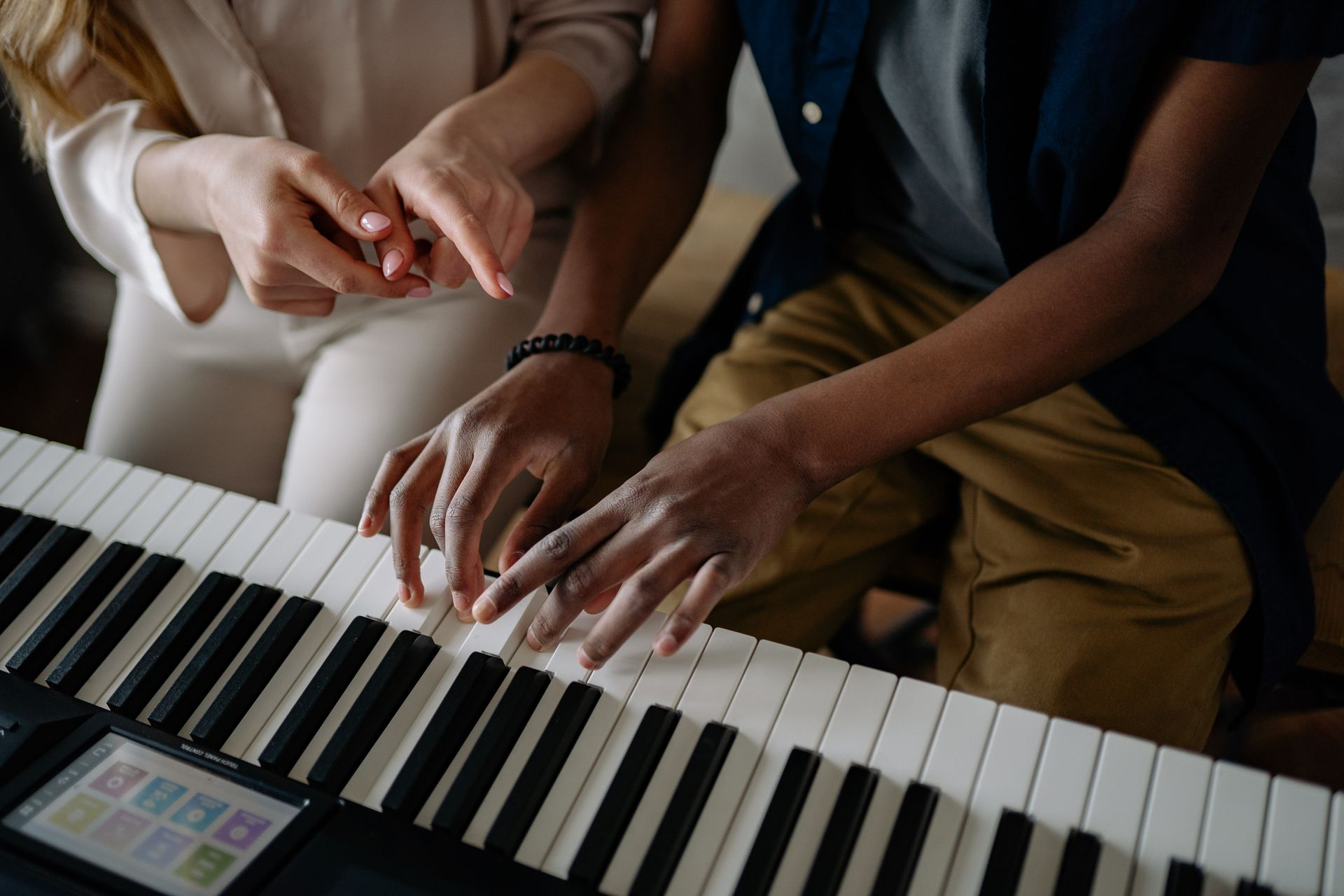
What to Expect at Your First Piano Lesson
The decision is made, the first lesson is on the calendar, and now comes the question every family asks me: what should we expect, and what do we need to…
-
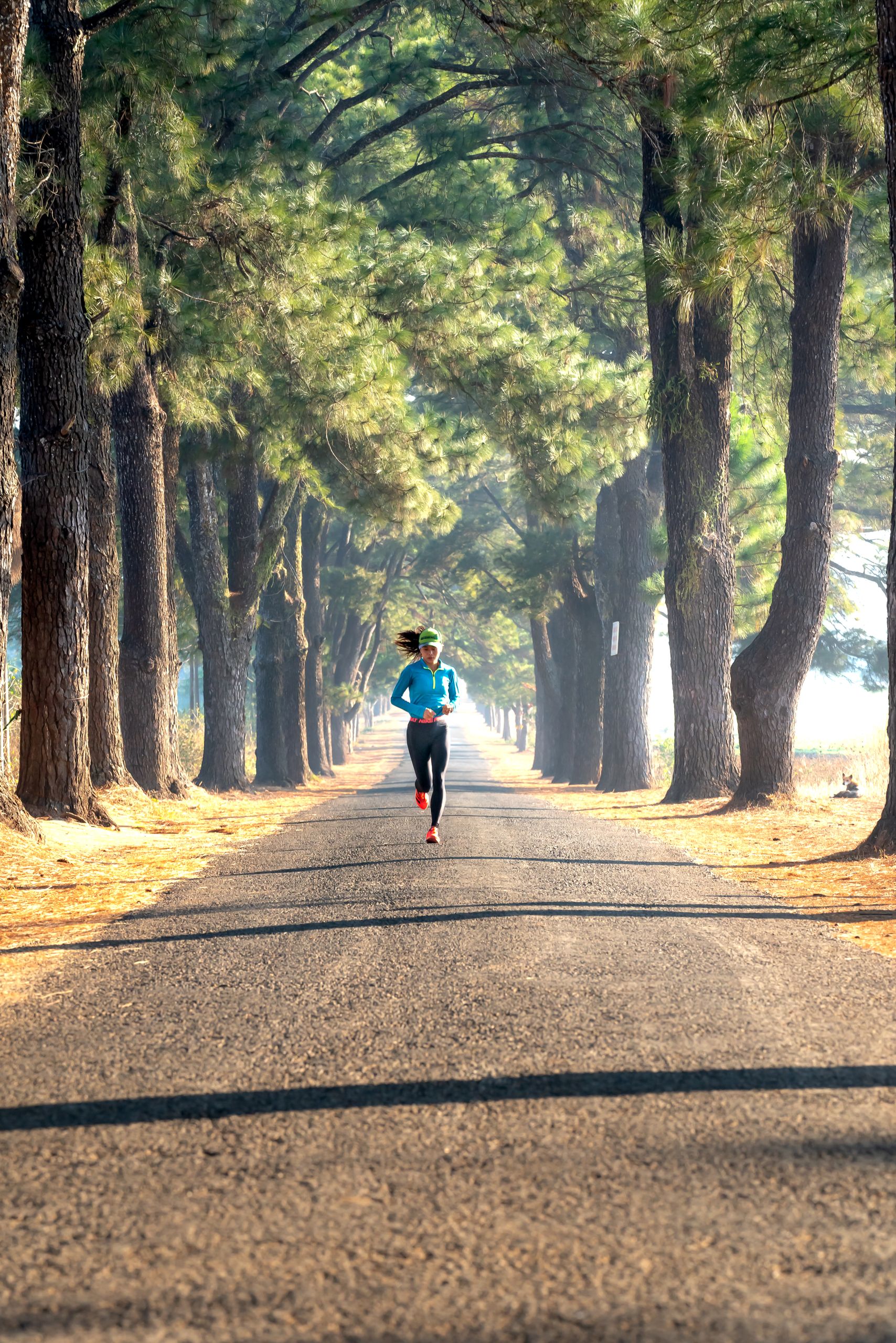
Why Beginners Can’t Skip the Fundamentals (What Running Taught Me About Piano)
One of my students came to me this week with big dreams. We are barely a month into lessons, still working through the early pieces in the lesson book, and…
-
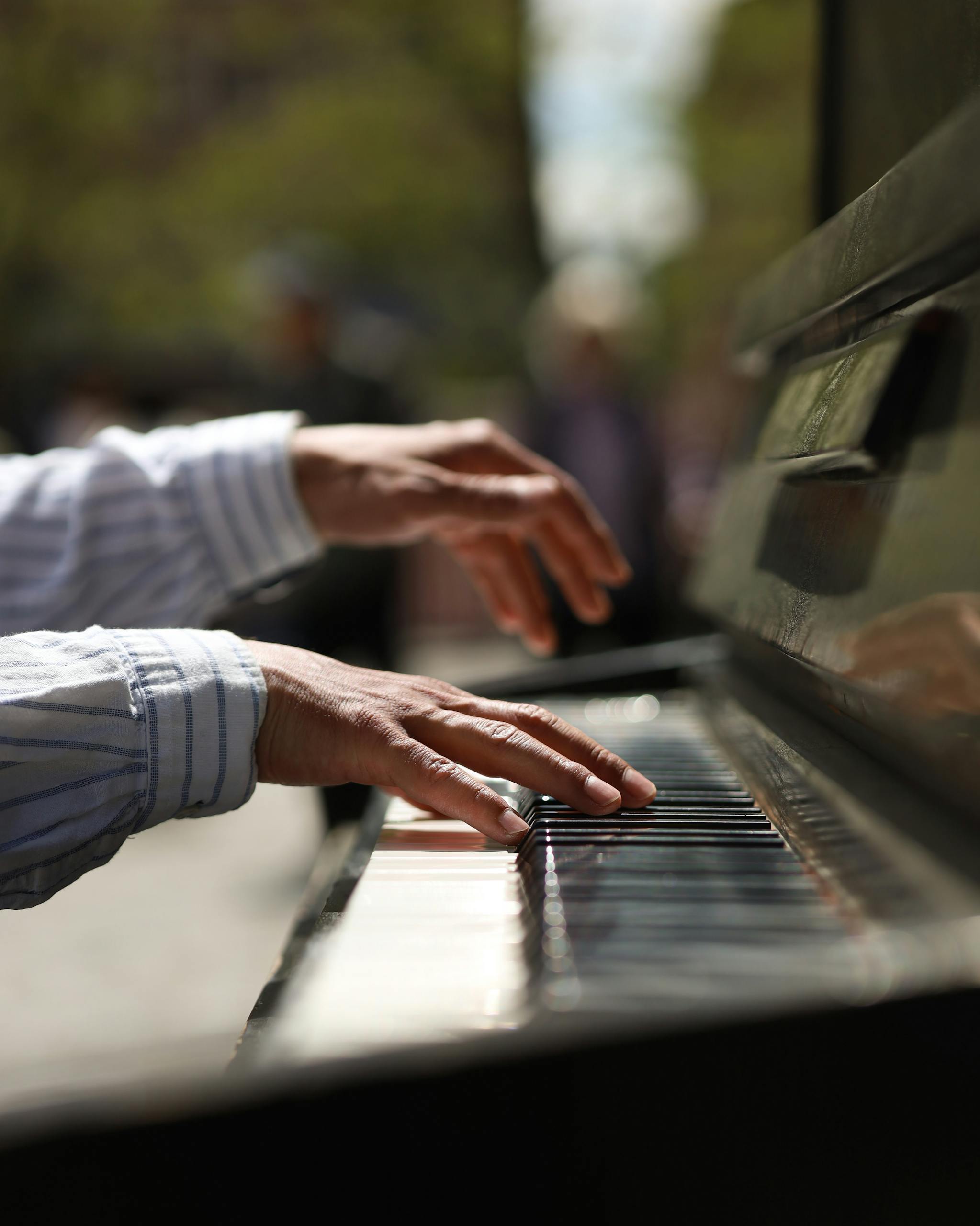
Is Playing Music Good for the Brain? What the Research Actually Says
Learning to play an instrument changes the brain in measurable ways, and those changes show up at every stage of life. After years of teaching students from age five through…