Recital Decorum: How to Bow, What to Wear, and How to Be a Great Audience
Most families think of a recital as the two minutes…
Most families think of a recital as the two minutes…
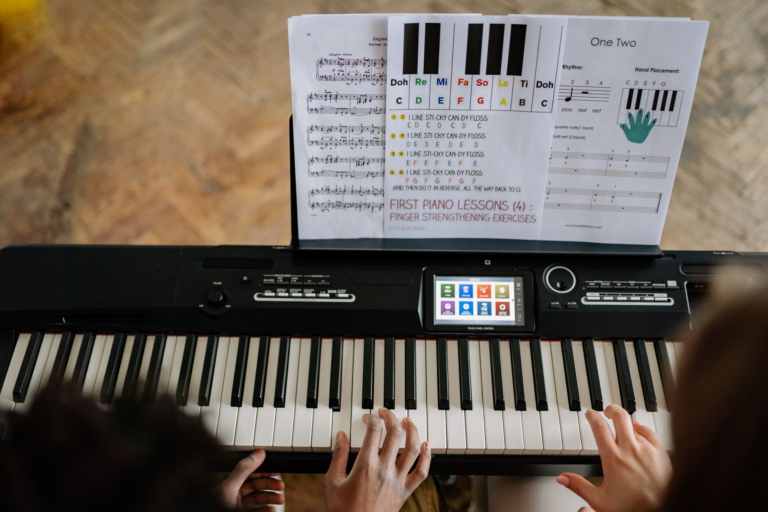
This fall I am starting a Master of Music in…
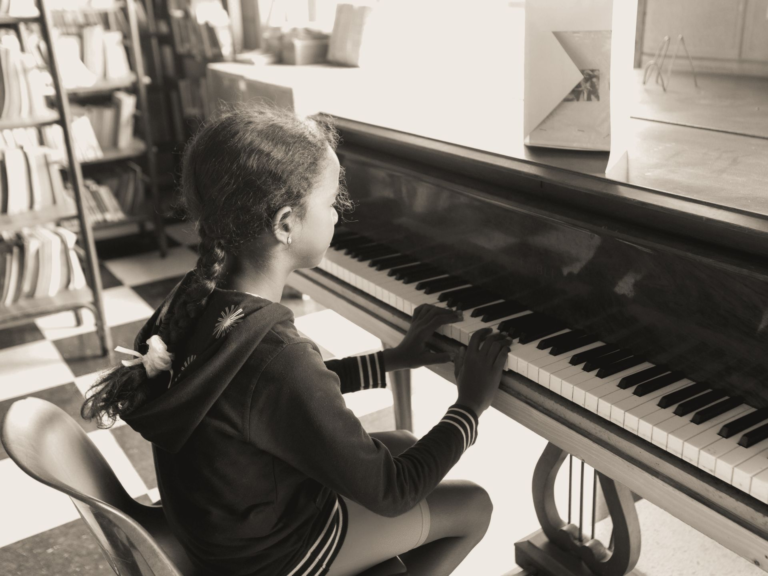
Every August, the family calendar gets rewritten. School starts, activities…
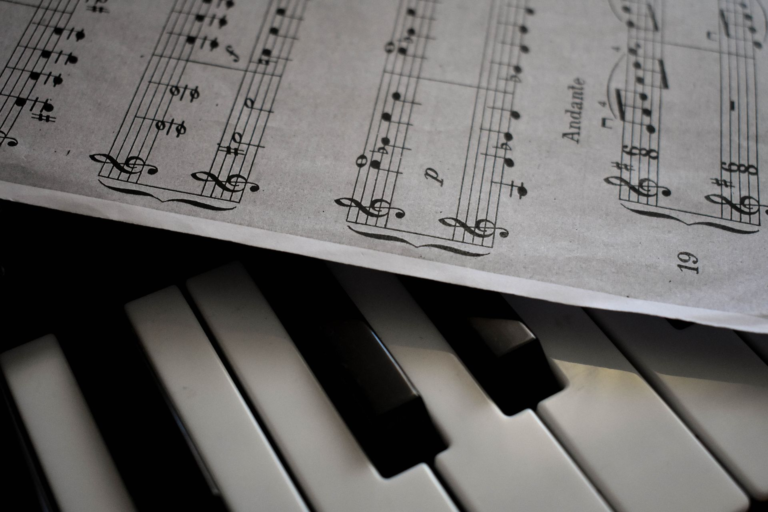
You do not need to spend a fortune to start piano lessons, but the instrument you practice on shapes everything about how you learn. Here is what actually matters: 88 keys, weighted hammer action, and touch sensitivity.
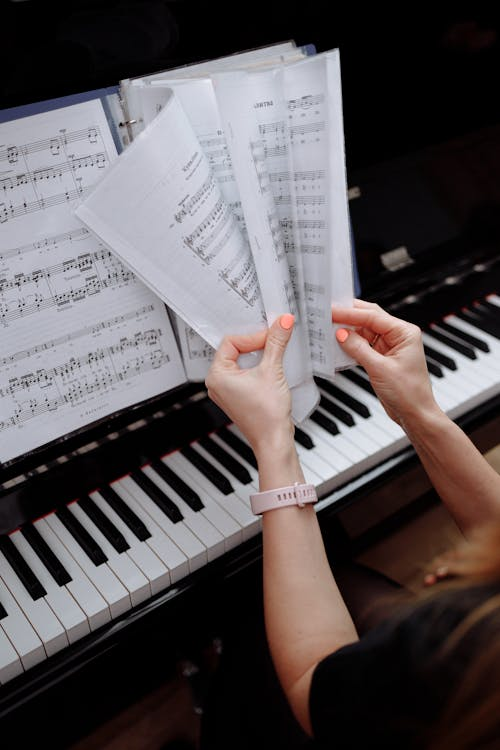
Many pianists taught to read music letter-by-letter progress slowly through scores, silently naming each note: E, G, B, D, F. They can decipher any piece eventually, but fluent sight-reading remains elusive. Intelligence and musical sensitivity are not the bottleneck. Method is. Research on how accomplished sight-readers actually process musical notation reveals a starkly different strategy. Fluent readers do not name individual letters. Instead, they read by shapes, contours, and spatial patterns anchored to a handful of landmark notes. This insight offers a faster pathway to fluent reading for students at any level.
Motivation seems like it should be simple. You either want to practice or you don’t. But decades of research in psychology reveals a more nuanced picture.
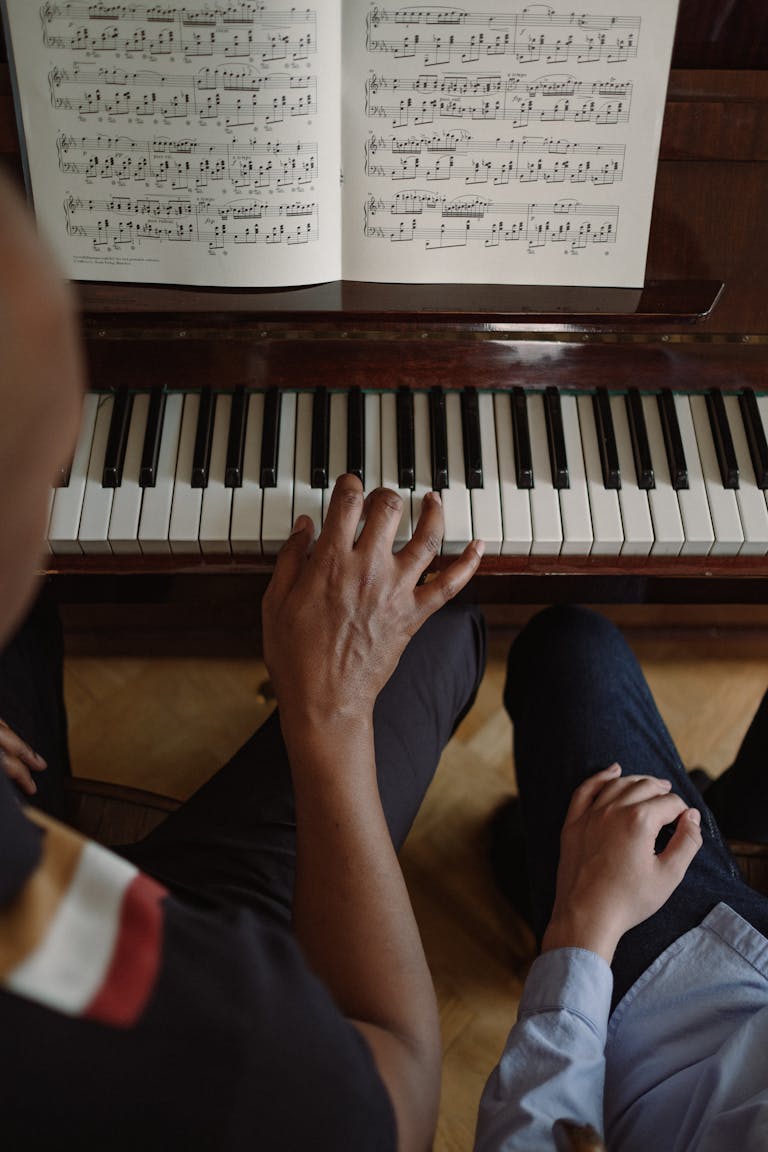
One of the most common requests from piano students is to skip ahead. “Can we learn this piece instead?” “I don’t need scales; can we just work on repertoire?” “Why do we have to learn this before moving on?” The impulse is understandable.
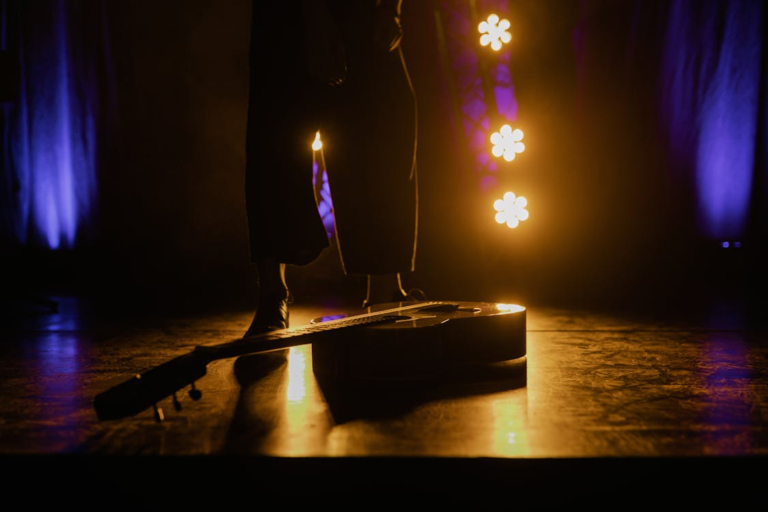
Your hands are shaking. Your heart is hammering against your ribs. You can feel every eye in the room trained on you as you lower your fingers to the keys. In that moment, it is easy to believe that your body is betraying you. It isn’t. That surge of adrenaline is your body’s way of preparing you to perform at your best. The difference between a pianist who crumbles under pressure and one who rises to the occasion often comes down to a single thing: how they interpret that feeling.
Every piano parent has been there. Your child sits down at the bench, plays through their piece once (maybe), then announces they are done. You know the recital is in three weeks. You know what their teacher assigned.
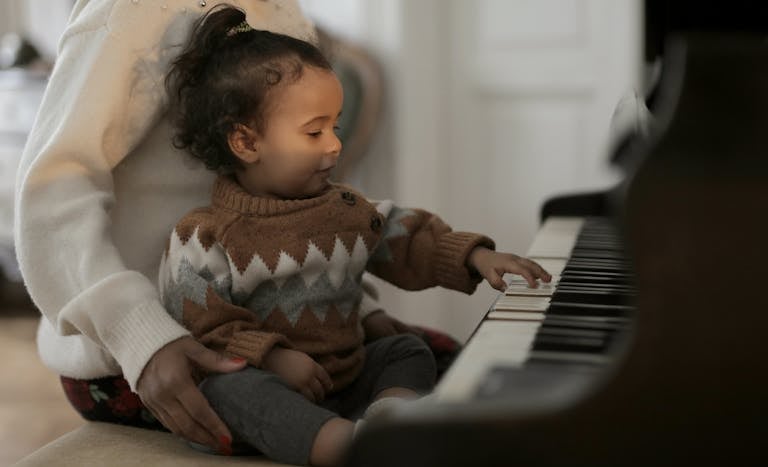
One of the most common questions I get from parents in the Clearwater area is: Is my child old enough to start piano? After years of teaching students of all ages, I have some honest thoughts on the matter.