What Age Should My Child Start Piano Lessons?
One of the most common questions I get from parents in the Clearwater area is: Is my child old enough to start piano? After years of teaching students of all ages, I have some honest thoughts on the matter.
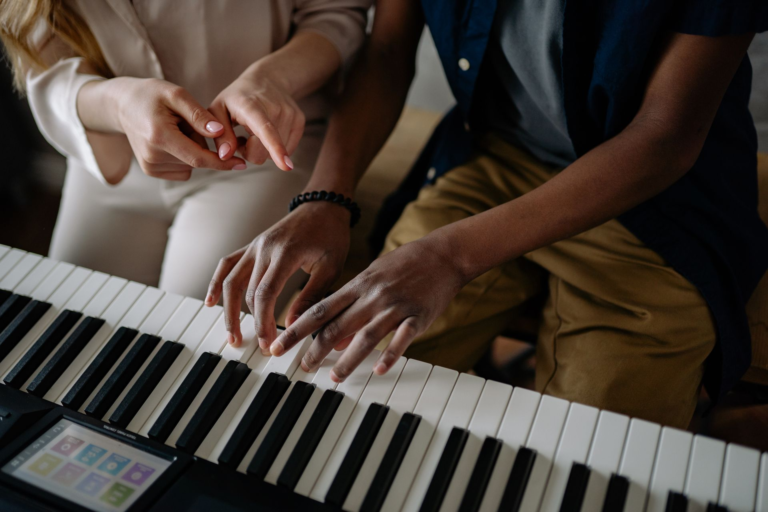
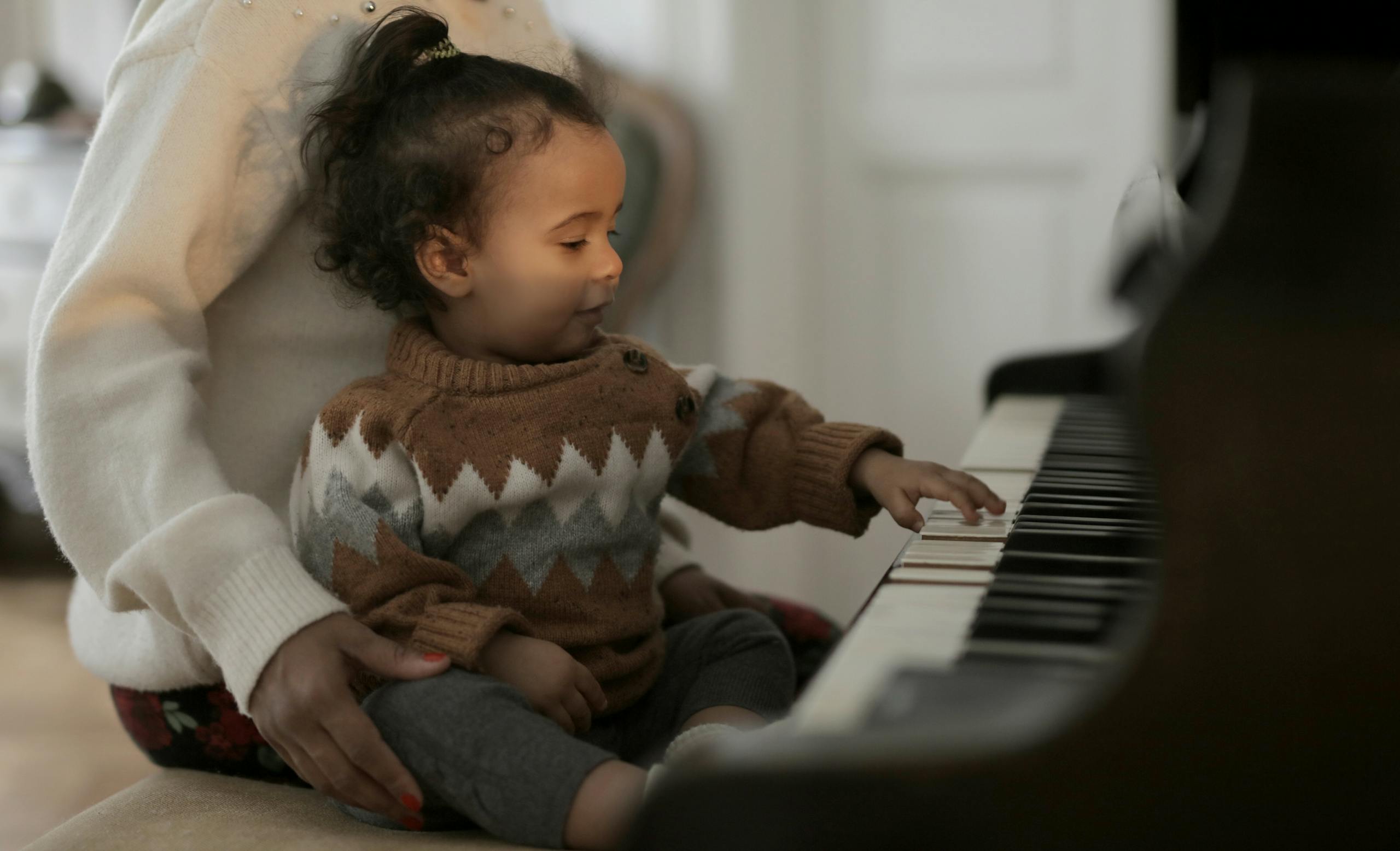
Yes, a four-year-old can start piano. Whether they should is another question. I have worked with students as young as four and a half, and it is absolutely possible at that age. But I want to be upfront with parents: it requires a lot of involvement on your part. At this age, a child needs a parent to sit with them during lessons, practice alongside them at home every single day, and be patient through the wiggly, distracted moments that are completely normal for a four-year-old. It can be a wonderful experience, but it can also be frustrating, so go in with realistic expectations.
Kindergarten is the sweet spot. If you are asking what I truly recommend, I think kindergarten is the ideal starting point for most children. Here is why: by the time kids start kindergarten, they have already learned how to sit still in a classroom, follow instructions from an adult other than a parent, and stay focused on a task for a sustained period of time. Those skills translate directly into productive piano lessons.
A five or six-year-old in kindergarten is generally ready to absorb concepts like note names, rhythm, and hand position in a way that a younger child simply is not. Progress comes faster, and both the child and the parent tend to enjoy the experience more.
The best time to start piano is when your child shows real curiosity and can focus for short stretches, typically around five or six years old.
Readiness shows up in behavior, not on a birth certificate. Age is just one factor. Here are some signs that a child is ready to begin, regardless of their exact age:
- They show real interest in music, such as singing along to songs, tapping rhythms, or asking to play the piano
- They can follow simple two-step directions
- They can sit and focus on an activity for at least 10 to 15 minutes
- They are used to taking direction from an adult other than a parent
Starting at seven or eight is not starting late. Children who start at 7, 8, or older often make faster initial progress than younger beginners because they arrive with more focus and cognitive readiness. There is no disadvantage to starting a little later. The most important thing is that your child is interested and willing, not that they started at the earliest possible age.
And it is never too late. I also regularly teach adult beginners, and I love it. Adults bring motivation, life experience, and a real love of music that makes lessons a joy to teach. If you have always wanted to learn and kept putting it off, consider this your invitation.
More than age, the right teacher is what matters. A skilled, patient teacher who knows how to work with children will get far better results than starting at the “perfect” age with the wrong instructor. The right teacher meets your child where they are and makes them excited to come back every week.
If you are in the Clearwater, Dunedin, Palm Harbor, or Safety Harbor area and wondering if your child is ready, I would love to chat. A short trial lesson is often the best way to find out.