What to Expect at Your First Piano Lesson
The decision is made, the first lesson is on the calendar, and now comes the question every family asks me: what should we expect, and what do we need to buy? This post answers both. Whether your student is a five-year-old touching a piano for the first time, an adult finally getting to a lifelong wish, or a self-taught player ready for formal training, here is how the first lesson works in my studio and which books I will likely start you in.
One thing needs to be in place before lessons begin: an instrument at home with 88 weighted, touch-sensitive keys. This is a firm requirement, and it has nothing to do with being fancy. It is about your student’s hands. Weighted keys build the finger strength and touch control that unweighted keyboards simply cannot, and a student practicing on a small unweighted keyboard is learning habits that will have to be unlearned later. The good news is that a solid digital piano in the $300 to 600 range fully meets the requirement, and I am glad to point you toward specific models before you buy. Think of the instrument as the first step of lessons, not a barrier to them.
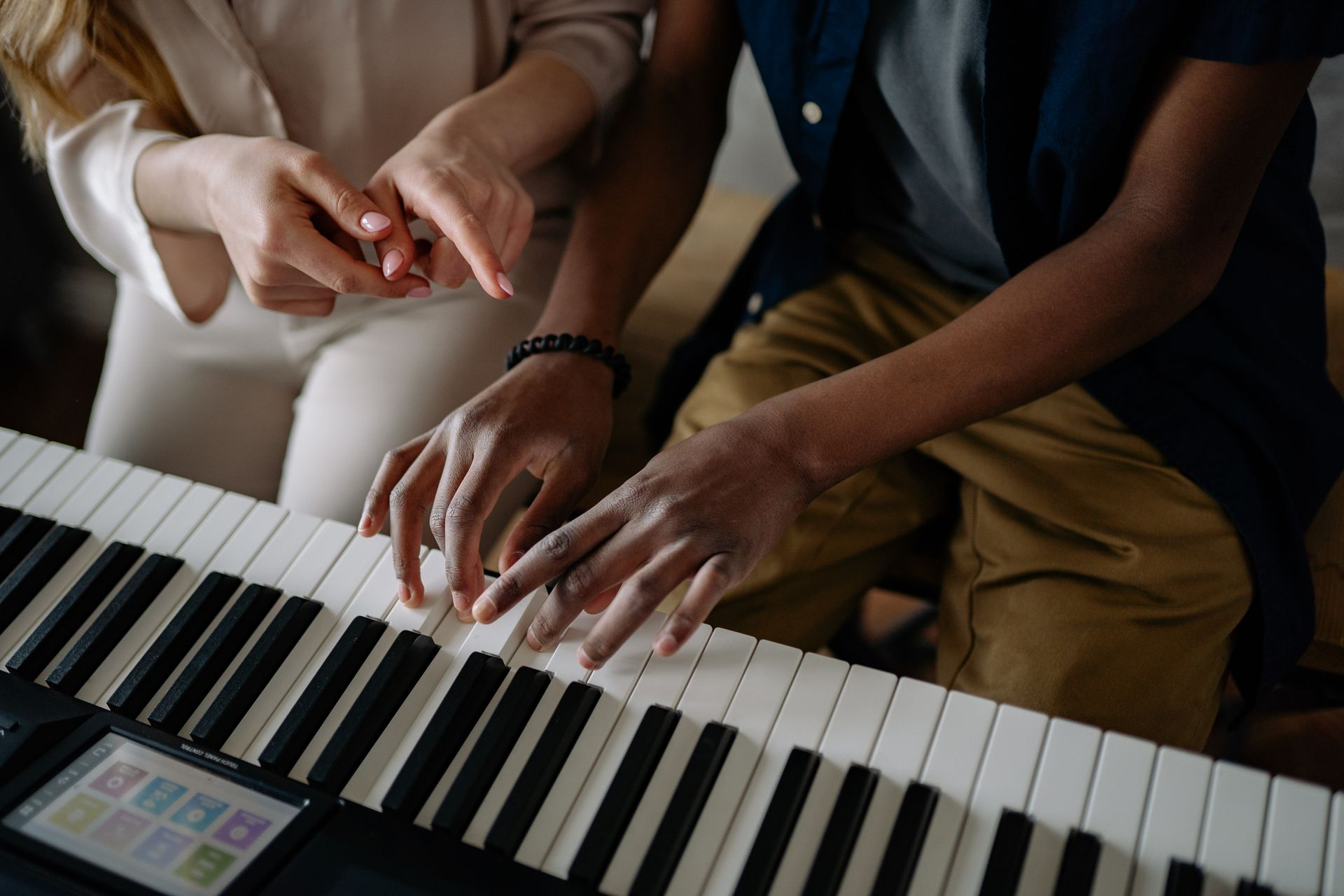
The heart of every first lesson is the same. I get to know your student as a musician, and they get to make music on day one.
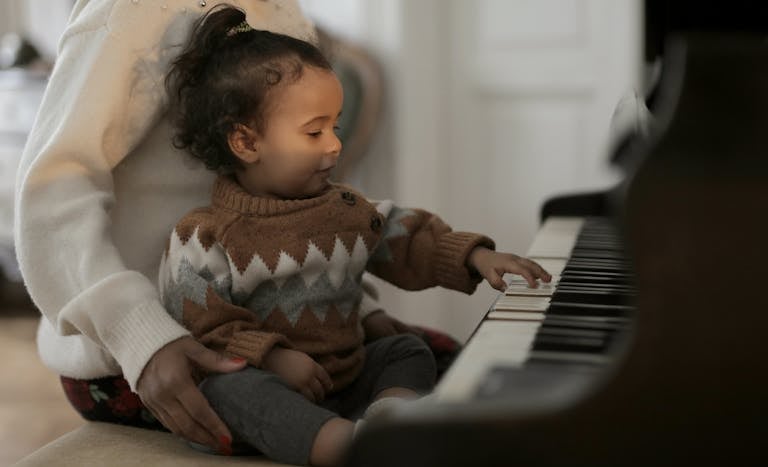
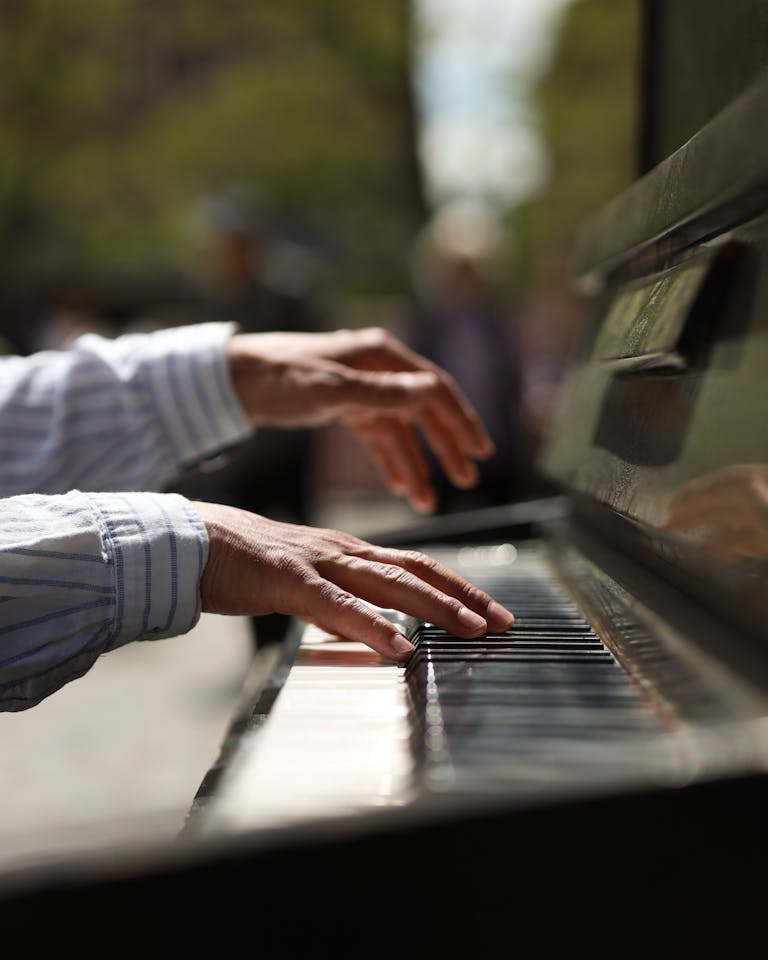
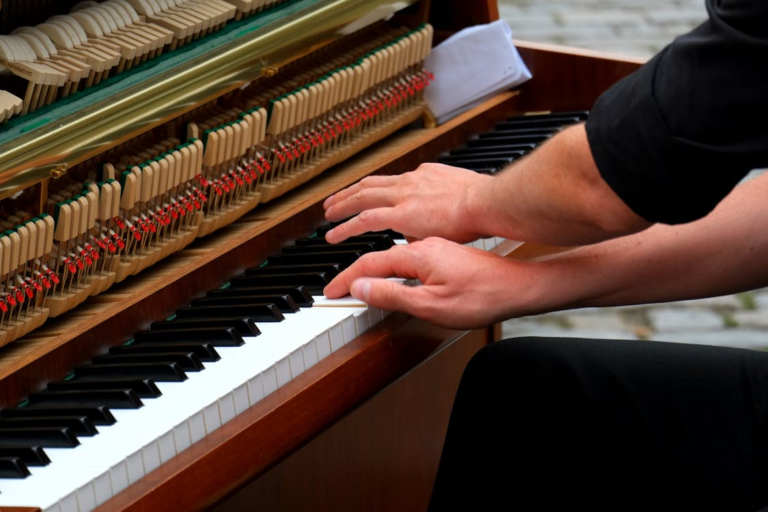
For a brand-new beginner, that means exploring the keyboard, learning how to sit and how the hand naturally falls onto the keys, and playing real sounds within the first minutes. Hand position and a relaxed, natural touch are part of lesson one in my studio, not something we postpone until later, because habits form immediately and I would rather form the right ones.
For a student with any prior experience, the first lesson includes an assessment. I will ask them to play whatever they can, look at their reading, listen to their ear, and check the foundations: hand position, rhythm, and understanding of what they are playing. This is not a test to pass; it is how I find the exact right starting point, so we build on what is strong and fill what is missing without wasting a single week on material they have already mastered.
Every first lesson also ends with something to take home: a first assignment, clear practice expectations for the week, and books matched to the student. Which brings us to the shopping list.
Which books you’ll need depends on the student. Young beginners, ages four to seven. My young beginners start in three books that complement each other beautifully: Faber Piano Adventures Primer Level, Lesson Book, Faber Piano Adventures Primer Level, Theory Book, and Suzuki Piano School, Volume 1. The Faber Lesson Book builds reading and keyboard understanding step by step, the Theory Book reinforces each concept with written work that connects straight back to the keys, and the Suzuki volume develops the ear and gives students lovely music from the start. Together they reflect how I teach: reading, understanding, and listening growing side by side from the first lesson.
Older beginners, ages eight and up. Older children learn faster than the youngest beginners and need materials that respect that. I typically start this group in Faber Accelerated Piano Adventures for the Older Beginner, Book 1 Lesson Book with its matching Theory Book, which cover the same foundations at a pace suited to older minds. The exact starting point is confirmed at the first lesson assessment.
Adult beginners. Adults deserve adult materials: music worth playing, explanations that respect your intelligence, and a pace that matches how grown minds learn. I typically start adult students in Faber Adult Piano Adventures, All-in-One Course, Book 1, which folds lessons, theory, and technique into a single book designed specifically for adult learners. If you are an adult returning after childhood lessons, the assessment tells us whether to start here or further along.
Transfer and self-taught students. If your student has been learning from another teacher, an app, or YouTube, do not buy anything yet. Bring whatever books and music they have been using to the first lesson, along with anything they can play. The assessment determines the right materials, and I will send you exact titles afterward. Buying ahead almost always means buying twice.
A note on all of the above: buy the exact edition linked, because page numbers and pieces vary between editions and versions, and matching books makes lessons smoother.
The list for day one is short. Bring the student, their books if they have arrived (no problem if they are still shipping), any music they already play, and a folder or bag for handouts. Parents of young students are welcome at the first lesson; part of that time is for us to talk through practice routines and how you can support the week between lessons.
That is everything you need to start. Lessons are held at Piano Distributors in Clearwater, and I teach students from age four through adult across Clearwater, Dunedin, Palm Harbor, and Safety Harbor. If you have been reading this far, the hardest part, deciding, is probably already done. Reach out at hello@pianojil.com or (727) 625-0624 and let’s find your student’s spot.
Related Reading
Piano Is a Year-Round Sport: Making Practice Work When School Starts