Scarlatti’s F Major Sonata: An Encore Masterpiece
I first discovered Scarlatti’s Sonata in F Major, K. 6 through a Horowitz recording where he performed it as an encore. This piece is elegant without being ostentatious, technically brilliant without being showy, and musically satisfying without overstaying its welcome. Horowitz understood that sometimes the smallest packages contain the most delightful surprises.
An effective encore serves a specific purpose. After the grand, substantial works that fill the main program, audiences want something different, not necessarily easier, but more intimate and immediately accessible. The F Major Sonata delivers exactly that. It’s elegant without being ostentatious, technically brilliant without being showy, and musically satisfying without overstaying its welcome.
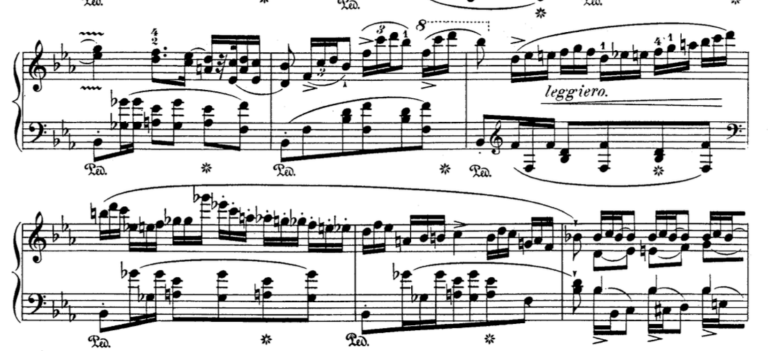
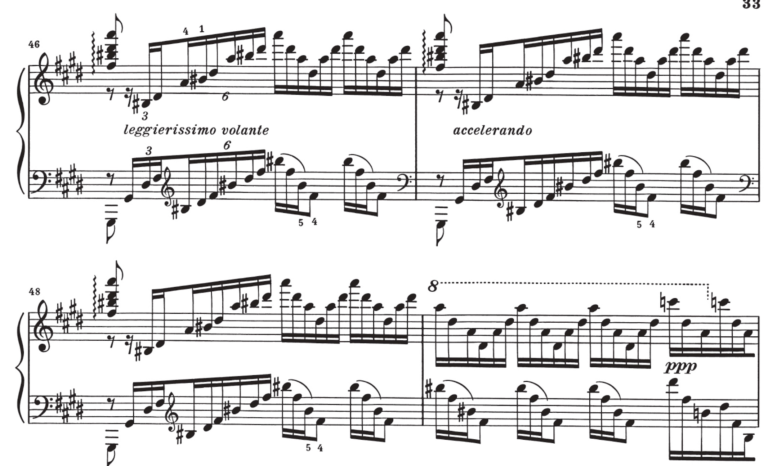
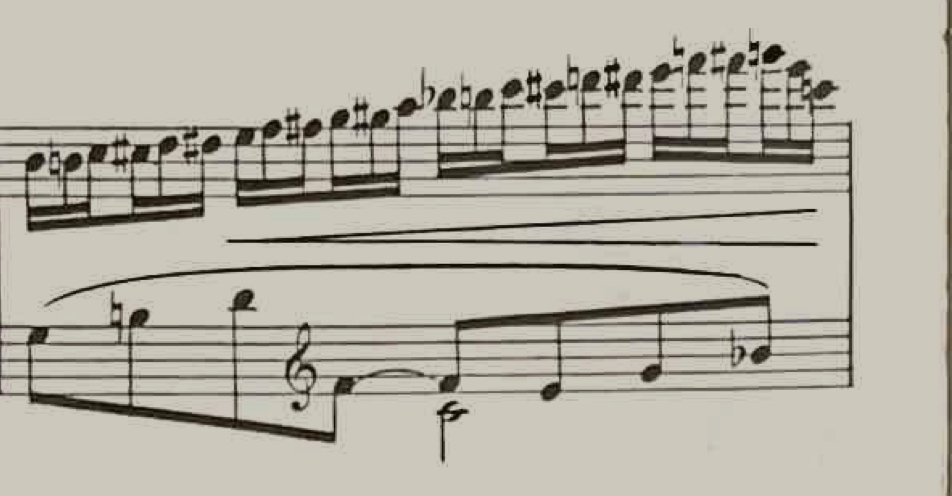
What makes this piece particularly delightful is its technical character. From almost the very beginning, Scarlatti fills this sonata with chromatic scales that cascade through both hands. These chromatic passages give the piece its sparkle and forward momentum, creating that sense of effortless brilliance that makes it such a satisfying encore choice.
For piano teachers, this technical aspect is especially valuable. I introduce chromatic scales to my students early in their training because so much piano literature depends on this skill. The F Major Sonata demonstrates exactly why. Those chromatic runs aren’t just technical exercises, they’re musical gestures that create character and charm. When students can play chromatic scales fluently, pieces like this Scarlatti become accessible and enjoyable rather than overwhelming.
The combination of baroque elegance and those sparkling chromatic passages creates a piece that feels both substantial and light, sophisticated yet immediately appealing. It’s adorable in the best sense: charming, perfectly proportioned, and impossible not to smile at.