Why Old Keyboard Instruments Still Matter to How You Play
Most of us learn on one instrument. You sit down…
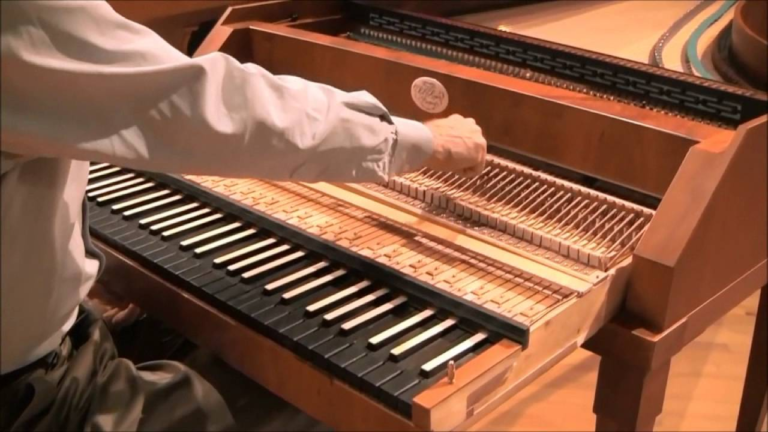
Most of us learn on one instrument. You sit down…
Every August, the family calendar gets rewritten. School starts, activities…

One of my students came to me this week with…

Motivation seems like it should be simple. You either want to practice or you don’t. But decades of research in psychology reveals a more nuanced picture.
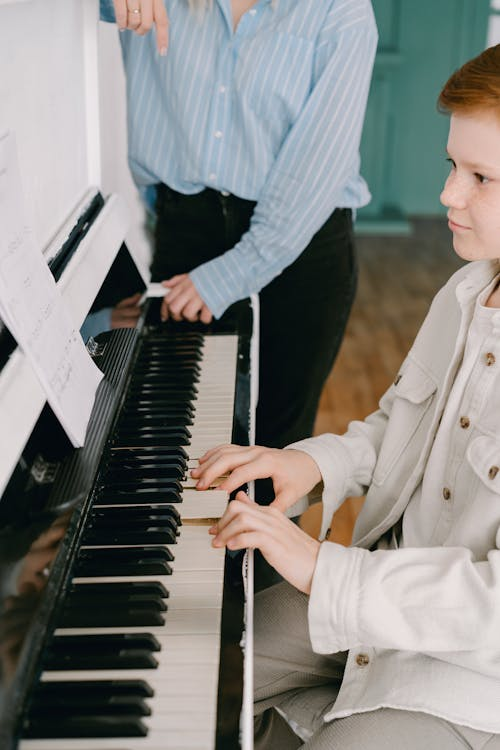
“Practice for 30 minutes” is not deliberate practice. Deliberate practice is a rigorous methodology based on decades of cognitive psychology research, formalized most notably by psychologist Anders Ericsson.

Traditional practice wisdom often recommends intensive focus: drill one scale for ten minutes, then move to arpeggios, then work on that difficult passage. This blocked approach feels productive because you can hear immediate improvement within a session. But research in cognitive science points the other way. Mixing your practice activities produces stronger long-term learning, even though it feels harder in the moment. Interleaved practice (the deliberate mixing of different skills within a single session) creates deeper retention and better transfer to performance situations.
Most pianists understand that practice should be spread across multiple sessions rather than crammed into one marathon day. But the science goes deeper than general wisdom.

We often hear that consistency matters in piano practice, but timing matters too. Recent neuroscience research reveals that when you practice matters almost as much as how long you practice.