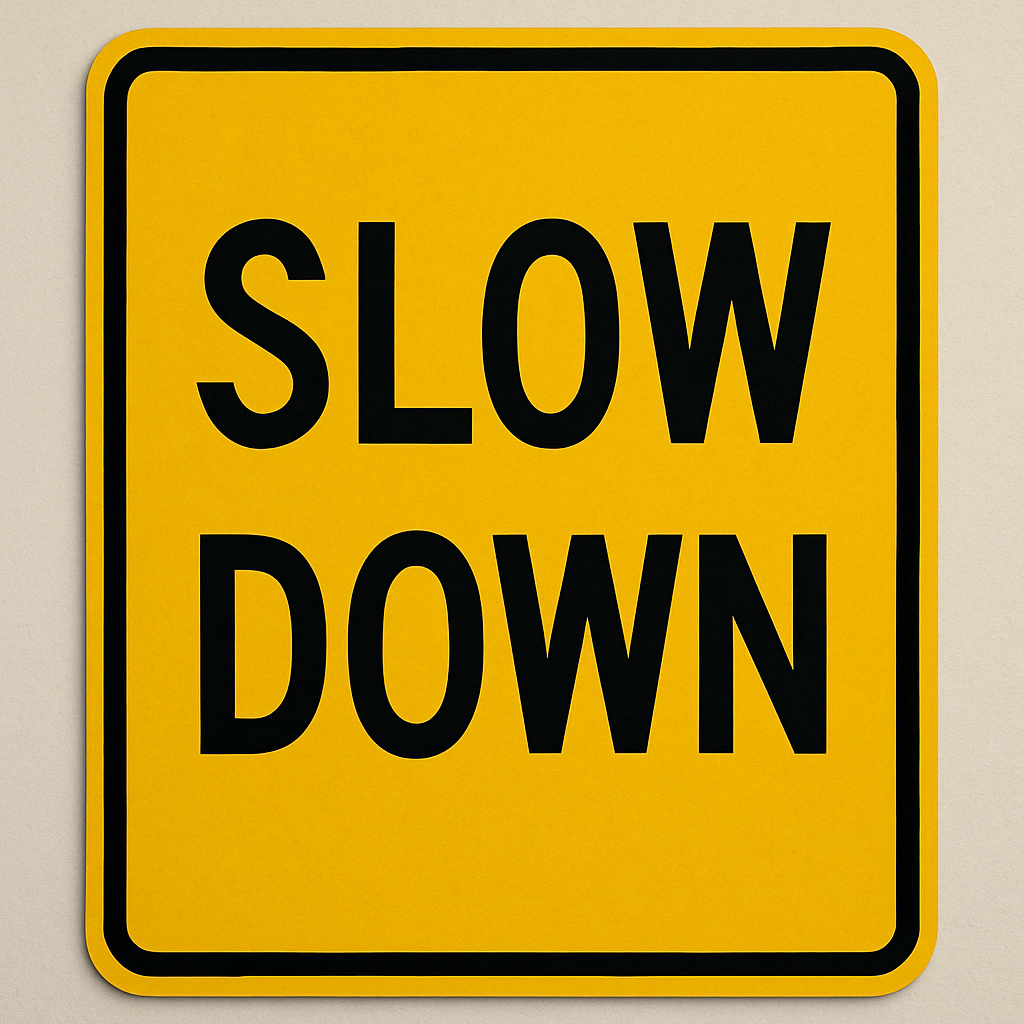
Fast Practicing Gives Slow Results, Slow Practicing Gives Fast Results
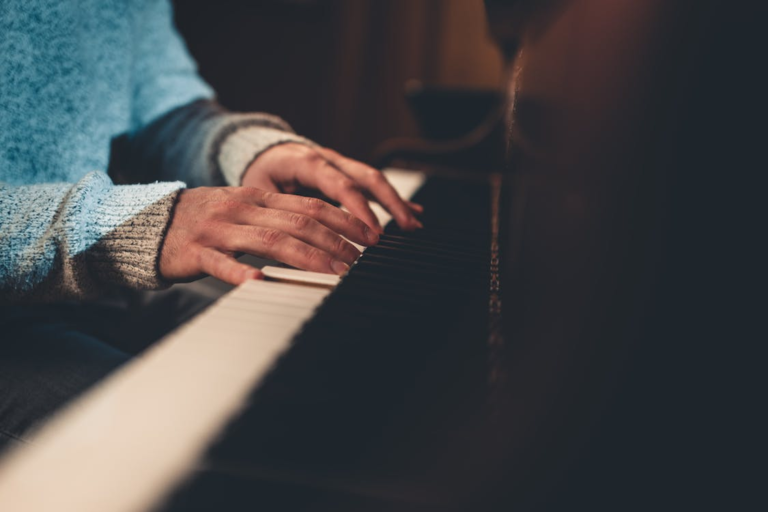
I recently came across a quote from pianist Palavia Mahidhare that stopped me in my tracks: “Fast practicing gives slow results, and slow practicing gives fast results.” She practices 80 percent of her repertoire slowly, and I couldn’t agree more. When you practice slowly, you’re being intentional with every note, every finger movement, every musical phrase. You’re programming your muscle memory accurately from the start. When you finally do play at tempo, your fingers know exactly where they’re going because you’ve trained them carefully and deliberately.
Practicing fast means practicing mistakes. The temptation is always there to rush through difficult passages, thinking that playing them fast will somehow make them easier. But here’s what really happens. When you practice fast from the beginning, you’re teaching your fingers to stumble and guess.
Slow practice does more than get the notes right. It builds the neural pathways that will serve you when the music demands speed and expression. It’s the difference between hoping you’ll hit the right notes and knowing you will. When you’re not frantically trying to hit the right notes, you actually have the mental space to focus on musical elements: phrasing, expression, dynamics, voicing. That’s the real gap between survival mode and actually making music.
When you practice slowly, you’re programming your muscle memory accurately from the start.
Here’s how to make slow practice work for you.
- Use a metronome set much slower than the final tempo
- Focus on one hand at a time for complex passages
- Practice with full intention: slow doesn’t mean sloppy
- Gradually increase tempo only when you can play perfectly at the current speed
- Remember: if you can’t play it slowly, you can’t really play it at all