The Power of Daily Piano Practice: Why consistency beats marathon sessions
Every pianist, beginner or seasoned, eventually wonders how much they should practice.
It is tempting to believe that progress comes from long, heroic sessions, but short, consistent practice almost always wins.
Your brain and body learn through repetition, not endurance. Each time you play, you reinforce the connection between your brain and your fingers. Skip too many days, and those connections fade. Return daily, even for a short time, and they grow stronger. Learning piano is like learning a language. Speaking a little every day works far better than one long conversation once a week.
Learning piano is like learning a language. Speaking a little every day works far better than one long conversation once a week.
A focused 20-minute session can be more powerful than two hours of wandering practice. When you know what to work on, you make real progress. Fatigue and distraction undo what long, unfocused sessions try to achieve.
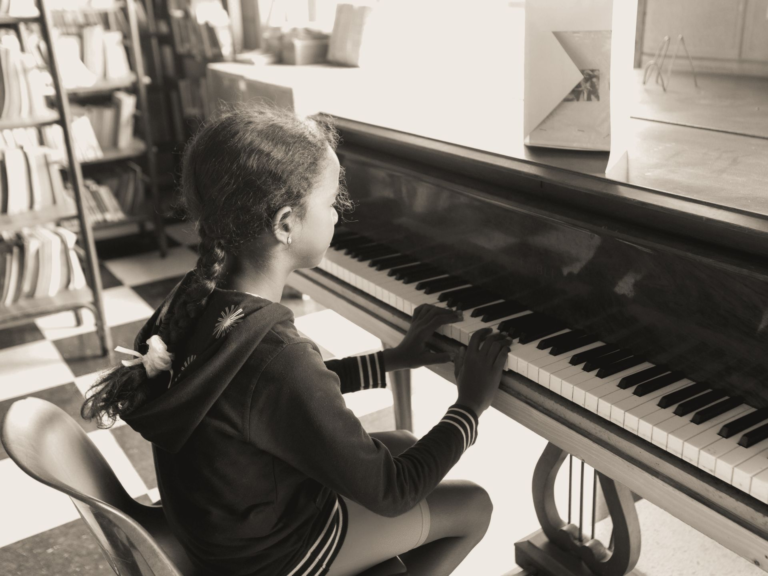
The right amount depends on where you are. For young beginners, 10 to 15 minutes is plenty. For elementary and early intermediate students, aim for at least 30 minutes a day. Intermediate and advanced players should plan for an hour or more. The more you practice, the better you become, but consistency matters more than sheer time. Think of your daily practice as a standing appointment with your own progress.
Cramming the night before a lesson might feel productive, but it builds tension instead of skill. Real growth happens through small, steady steps. Choose a regular time each day (before school, after dinner, whenever you can focus) and keep it. Over time, your hands will start to miss the piano on the days you skip.